
Stories of migration are often told through episodes of exploitation and hardship. The more adventurous and extraordinary aspects are sometimes left in the background, out of concern that they might distract attention from the very real issue of denied rights. Yet when migration is seen only through the lens of oppression, there is a risk—one that is ultimately counterproductive to anti-racist and anti-classist causes—of seeing “the other” only as a victim, only as someone who is exploited. In other words, it prevents us from truly seeing them.
A friend of the Scuola Frisoun, who prefers to remain anonymous, shared with us one of the most remarkable stories ever published in Touki Bouki. From the edge of the Sahara Desert to the snows of the Alps, from donkeys used for threshing grain to the acrobatic horses of an Austrian circus, this is an extraordinary story of animals and migration. HERE is the Italian version. TB
It was not the first time I had worked with animals. Back in Morocco, when I was a boy, I looked after rams, sheep, and goats. I would leave in the morning and come back in the evening. Finding grassy areas was not easy because Tata, my hometown, is located on the edge of the Sahara.
I was also familiar with donkeys, which I used both for transport and as working animals during the harvest. We carried the wheat from the fields to a concrete yard with a pole in the middle. Attached to the pole was a tool used for the first stage of threshing. I would walk behind the donkey with a stick, and as it moved in circles around the pole, it powered the tool. The donkey belonged to our neighbours, who made it available to the community. I really enjoyed walking behind the donkey and working with the freshly harvested wheat. Once that stage was finished, we had to wait for the wind to become a gentle breeze. Then I would toss the wheat into the air with a pitchfork. If I had chosen the right breeze, the grains would fall back to the ground while the chaff would be carried away by the wind.
So, I was used to animals, but I had never imagined that one day I would end up working in a circus.
A blind leap
This is how it happened. One day my brother-in-law told me that there were job openings at the circus where he worked. I did not think twice. With a temporary visa, a plane ticket, and a promise of employment, I left for Austria, where the circus was based. I left Tata and took a blind leap into the unknown. I only wanted to get to Europe, find a job, and move my life forward. I only had a small backpack, the clothes I was wearing, a spare set of clothes, and a heavy jacket. People had told me that Austria would be cold, but, as I will explain later, I only understood what real cold was when I felt it myself.
It was 2001. Everyone was talking about the euro, which had just been introduced. But everything was new to me, not only the currency. I landed in Vienna, where my brother-in-law picked me up and took me straight to the circus. He spoke with his employer, who immediately gave me a contract, work overalls, safety shoes, and explained what I had to do. Luckily, he spoke some French, because it would have taken me a long time to learn enough German to start working. Barely had I arrived in Europe and looked around when my new life in the circus began.
Arabian Horses
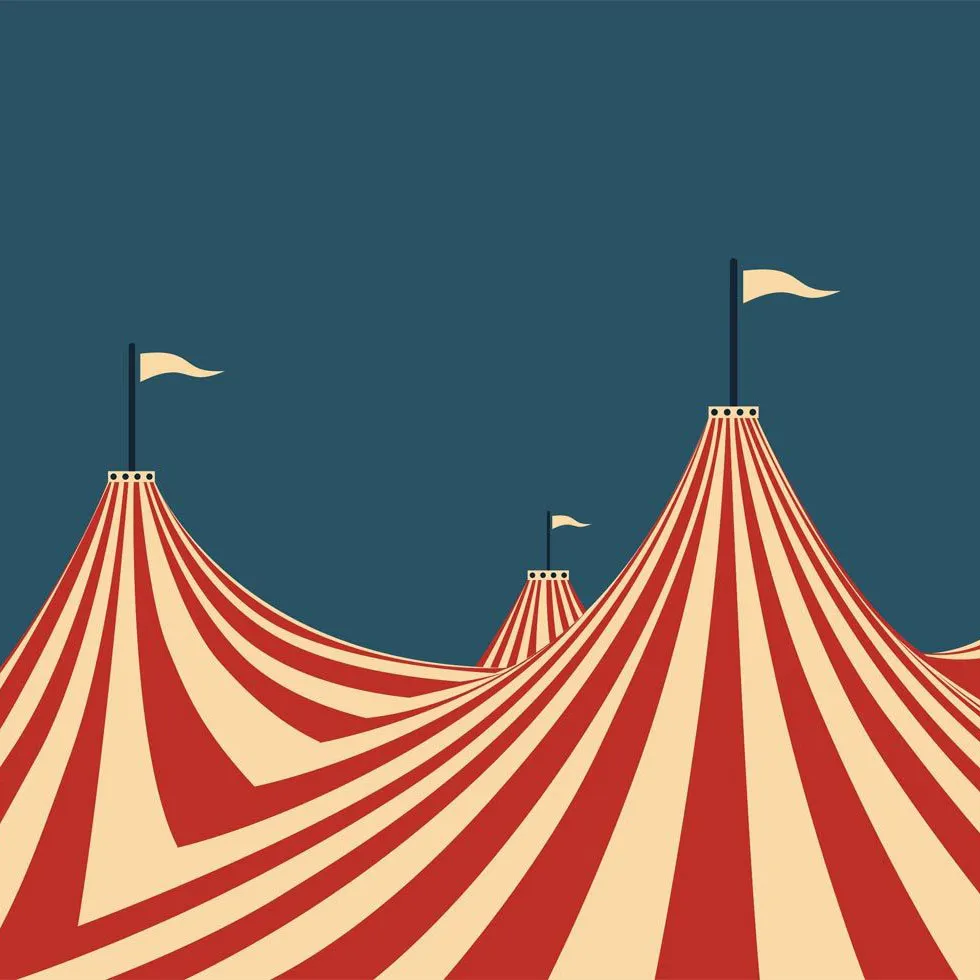
The owners of the circus were Swiss. My supervisor was not only an organiser but also performed in the horse shows. I cannot say exactly how many people worked there, but between performers, animal handlers, crane operators, labourers, forklift drivers, and truck drivers, there were probably between seventy and eighty employees. There were Moroccans, Poles, Russians, Italians, and many people from Eastern Europe… a Babel of languages. Everyone had their role. We slept in around seventy caravans, arranged in a circle, around the big tent, whenever we moved to a new city.
During my first interview, my supervisor noticed that I was quick to learn and asked me to take care of the horses. Every morning I had to clean the stables, feed them, groom them, and before each performance I had to prepare them and made them look their best. I was told to massage their manes and faces with olive oil to make them shine. Then the tent would open, and the horses would enter the ring for the show.
I never rode any of those horses. It was forbidden because they said we might interfere with all their training. In some ways, the horses were treated better than the people who looked after them. There were four breeds: Polish horses, Arabian horses, and two others that I do not remember. Sixteen horses altogether: four white, four brown, four black, and four mixed white and brown. Naturally, I was assigned to the Arabian horses.
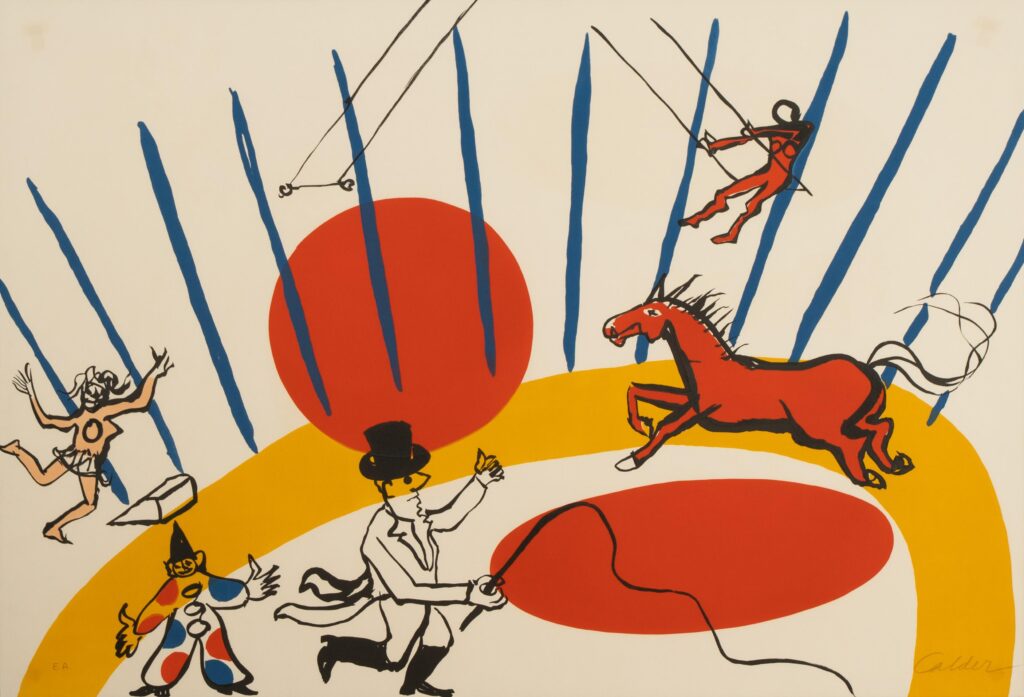
The Circus Machine
Besides caring for the animals, we had to set up the circus tent every time we arrived in a new city. People have no idea how hard that work was. The stakes were very long and had to be driven deep into the ground. The soil was often frozen, and the sledgehammer weighed around twenty kilograms. Then there were the heavy iron poles supporting the tent, which had to be lifted together and in perfect coordination. Once the tent was up, some workers assembled the seating stands while others prepared the animal enclosures. Every morning we woke up at six o’clock and worked until ten at night. Apart from a couple of hours for lunch, we were constantly busy. We travelled from one Austrian city to another. In some places, we stayed for only two days. Then we took everything down and set it up again somewhere else.
Besides the horses, there were camels, which I already knew quite well, and other animals I had never seen before, such as llamas, zebras, and elephants. The same people always looked after the same groups of animals. I was told that elephants, in particular, stayed calm only around people they knew well. Looking after horses could also be dangerous. I cannot count how many times I almost got kicked, and everyone knows that a horse’s kick can kill you. Llamas, at worst, spit in your face. I learned that during those months. Apart from those exotic animals, there were also a few goats used to entertain children before the performances. Children could pet them, feed them, and even pull their beards.
Behind the Scenes
During the four months I worked at the circus, I never actually watched a performance. Those of us who worked with the animals had to stay hidden behind the curtains. I only caught brief glimpses when the horses entered the ring or when I peeked from under the audience stands. I loved watching the horses run and seeing the acrobats perform jumps on their backs.
Those were very hard months. Two moments in particular nearly broke me. One of my first days at work, I woke up and noticed a strange light outside. I looked through the caravan window and saw that everything was covered in snow. About half a metre had fallen overnight. It was the first time I had ever seen or touched snow. We worked all day wearing gloves. They quickly became wet, and we either had to change them or keep working with frozen hands. The stakes, the tent poles, the hammer, the animal stalls—everything felt like ice. By midday I was exhausted. I spoke to my brother-in-law and told him that the job was not for me, that I wanted to return to Morocco. He encouraged me, said the right words, and convinced me to be patient.
Another difficult moment came when Majid was born. My wife, Zainaba, had a complicated pregnancy and had to be taken to another city because Tata did not have a properly equipped hospital. At that time there were no mobile phones. Phone calls were very expensive, very short, and often difficult to connect. So, while my first child was being born, I was brushing horses on the other side of the world.
Like Prisoners in a Camp
There were about twenty Moroccans among us. In general, there was little time to talk, we could only exchange a few words during meals. The circus had a canteen where everyone was served the same food. I felt like a prisoner receiving his daily ration. Our work was so demanding that no matter how much we ate, we burned it off very quickly. And it was not easy for us Muslims to find food we could eat. Almost every meal contained pork. Most of the time I had to make do with beans and lentils. None of the Muslim workers ever pointed out that we did not eat pork. Besides, nobody noticed because whatever we did not eat was happily eaten by the Polish workers, who were crazy about pork!
The salary was €500 a month for working every day of the week, including Sundays, for more than ten hours a day. They probably did not count all our working hours, and they certainly did not pay social security contributions. Many colleagues who had worked there for years later discovered that nothing had been paid on their behalf when they tried to convert their work permits into residence permits. Something similar happened to me later in Italy, in the first cooperative where I worked. I sometimes worked as many as three hundred hours a month, yet no social security contributions were paid.
End of the Show
Then one day I decided to leave. I had come there to work and was prepared to stay for one or two years if necessary, even though I did not enjoy the job. But eventually the circus entered a crisis.
An animal rights organisation had started a protest movement against the use of animals in circus performances. As a result, all acts involving animals were cancelled. On one occasion, both the workers and the animals were even hidden away. They knew a major inspection was coming, and the owner was afraid of being caught. They gathered all the animals in a warehouse near the border between Austria and Yugoslavia, perhaps in Slovenia, while we workers were placed in a hotel for two days until we were told we could return. I still do not know what happened during that time.
As the protests continued, the owner was forced to cut staff, and many workers lost their jobs. Because they valued my work, they offered me a new role distributing food during the performances, at least until the crisis was over. But they had the nerve to ask me to work without pay! I said no. I told them I wanted my passport back, the money they owed me, and that I was leaving. My family was waiting for me in Morocco. How could I support them without a salary? What were they supposed to eat while the circus was trying to recover?
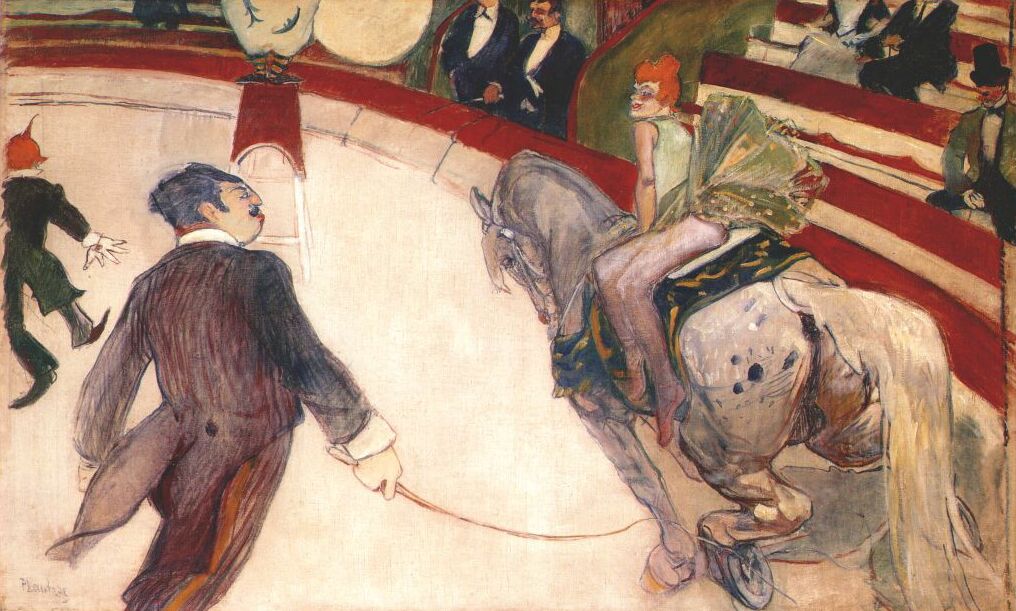
Escape
I do not know whether it was legal, but at that time it was common practice that if you entered Austria on a work visa, you had to hand over your visa and passport to your employer. When your employment ended, the employer would personally take you back to the airport and return your documents there, to prevent workers from leaving the workplace that had allowed them to enter Europe.
My brother-in-law and I insisted on getting our passports back. Eventually the boss agreed, but he told us he never wanted to see us around the circus again. We could no longer eat or sleep there. We had to disappear immediately. We did not know where to go, and we did not want to spend our few savings on hotels or restaurants. So we hid inside the caravan where we normally slept. We had some food supplies there. Whenever someone passed by, we stayed completely silent. If they heard voices, they would become suspicious. We remained hidden until the circus moved to another city. During the journey I was terrified. The motorway seemed endless. It is forbidden to carry people inside a moving caravan because their weight can cause the caravan to detach from the vehicle or overturn during a sudden movement.
An Open Door
When the caravan finally stopped, I waited for the right moment, said goodbye to my brother-in-law, went to the nearest railway station, and bought a ticket to Italy. There was no particular reason. I had no contacts in Italy and did not know the language. Italy simply seemed like the only open door available to me at that moment.
At first, I stayed in Carpi because a friend of a friend lived there. But after three or four days, however, he told me there were already too many people in the apartment. Seven people living together would attract attention.
From Carpi I moved to Modena and there, incredibly, I met someone from my hometown, although I had never known he lived in Modena. Allah brought us together! As soon as he saw me, he recognised me because he remembered my father. He asked what I was doing there and took me to his home.
When I arrived in Modena, the most important thing for me, even before finding a job, was learning the language. I enrolled in a CPIA, an adult education centre. I attended classes two days a week and learned quickly. Of course, I did not have a residence permit, but at that time a passport was enough to enrol in a CPIA.
Another Ticket, Another Ride
About a year later, in June 2002, the Italian government introduced a regularisation programme, and I was able to obtain a residence permit. That year without legal documents was difficult. I worked for a labour cooperative. Without legal documents, I could not be formally employed. The cooperative hired me illegally and kept two-thirds of my wages. The same happened to many other workers. At one point we discovered that the cooperative received almost €24 per hour for each worker supplied to companies, while the workers themselves received only €3 or €4 per hour.
I was not afraid of reporting them. I knew I would not be expelled if I filed a complaint. On the contrary, the company would probably receive a fine, and I might even obtain legal documents. But at that time I felt that, in a way, they were doing me a favour. Without documents, I had no alternatives. They were clearly exploiting me, but with the little money I earned I could pay rent, buy food, and send something back to my family. But that is another chapter in the circus of my life, and it deserves a story of its own.
Speaking of circuses, after all these years of hard work I still have one dream for retirement: to buy a caravan, travel across Europe with Zainaba, and visit all the places I have never had the chance to see.
(Story collected by Giorgia Ansaloni, translation by Alice Montorsi)